Why Welfare Facilities Matter

From comfort TO compliance, welfare facilities make all the difference
Across Ireland and the UK, welfare facilities are becoming an increasingly important part of how construction, infrastructure and utility projects are planned and managed.
What was once viewed as a basic site requirement is now recognised as a key factor in workforce wellbeing, compliance, productivity and operational efficiency. From remote utility works and road maintenance projects to large-scale construction developments, businesses are placing greater emphasis on creating safe, comfortable and compliant working environments for their teams.
As expectations around employee welfare continue to rise, the demand for high-quality welfare solutions has grown significantly, particularly for flexible and self-sufficient mobile welfare units that can support projects in even the most challenging locations.
The Growing Focus on Welfare, Compliance and Well-Being
Modern welfare provision is about far more than simply providing a toilet on site.
Employers across Ireland and the UK are increasingly aware of the direct link between welfare facilities, employee wellbeing and site performance. Clean, secure and comfortable welfare spaces help workers stay warm, dry, rested and productive throughout the working day – particularly in industries where teams are exposed to harsh weather conditions, long shifts and remote environments.
At the same time, welfare facilities play an important role in helping organisations meet Health & Safety requirements. Construction and field-based employers are expected to provide appropriate facilities for rest, washing, eating and changing, with welfare standards becoming more closely scrutinised across both public and private sector projects.
This shift has driven significant demand in welfare cabins, particularly mobile welfare units which provide a highly practical, all-in-one solution for modern worksites.
Why Mobile Welfare Cabins Are In High Demand
Mobile welfare cabins have become increasingly popular because they offer a compact, self-sufficient welfare solution that combines multiple facilities under one roof.
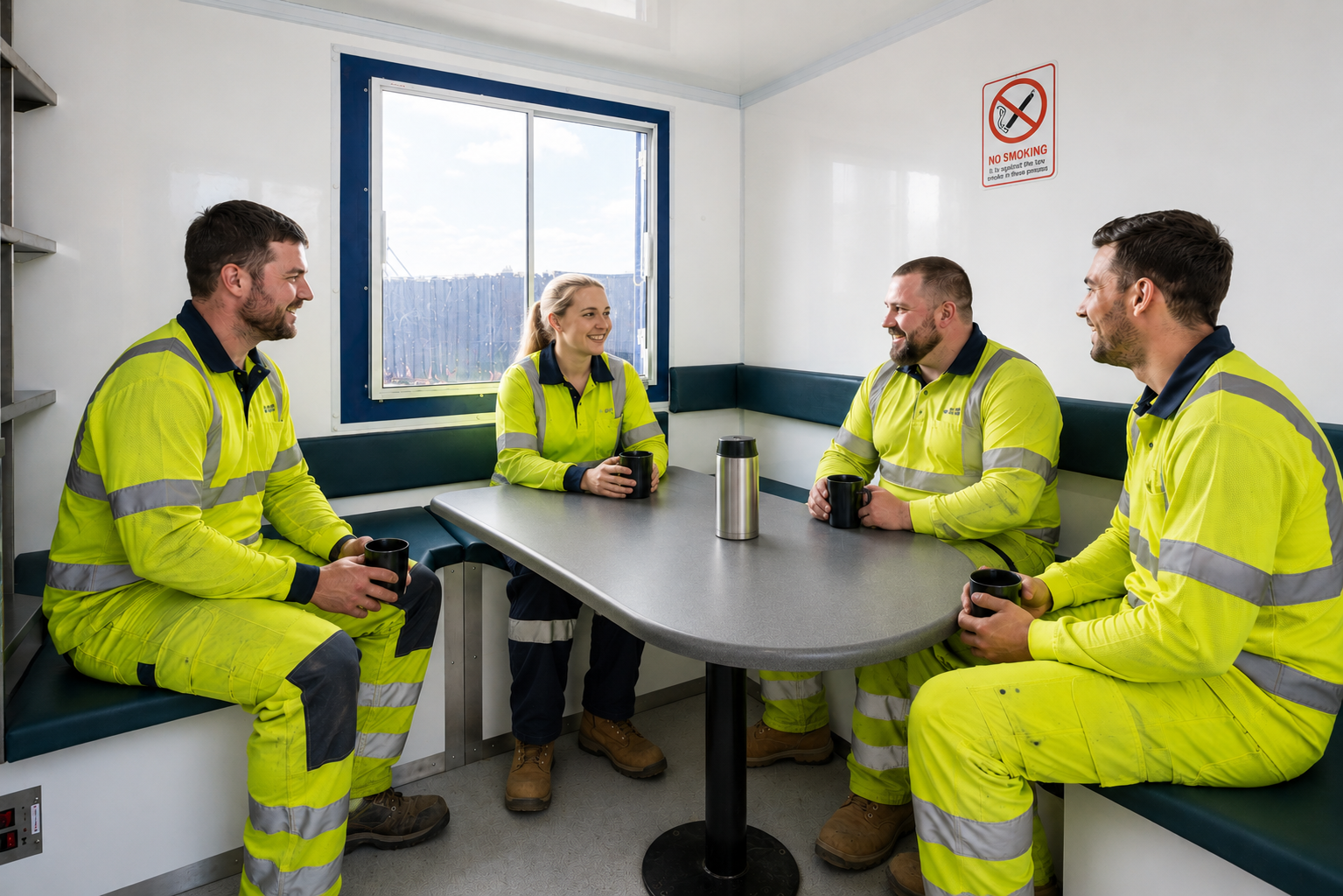
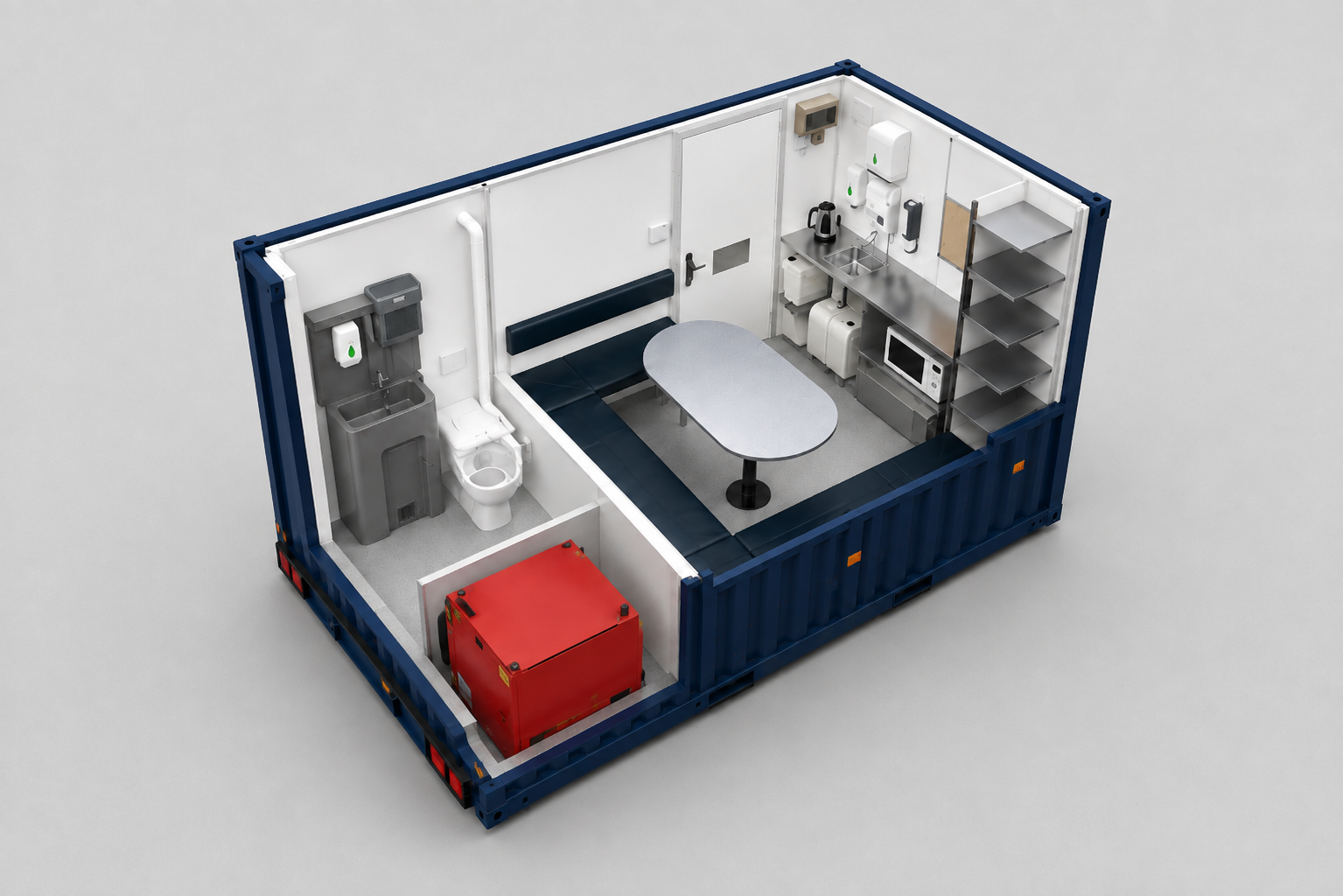
Designed to support dynamic and fast-moving projects, these units can provide:
- Toileting facilities,
- Rest and canteen areas,
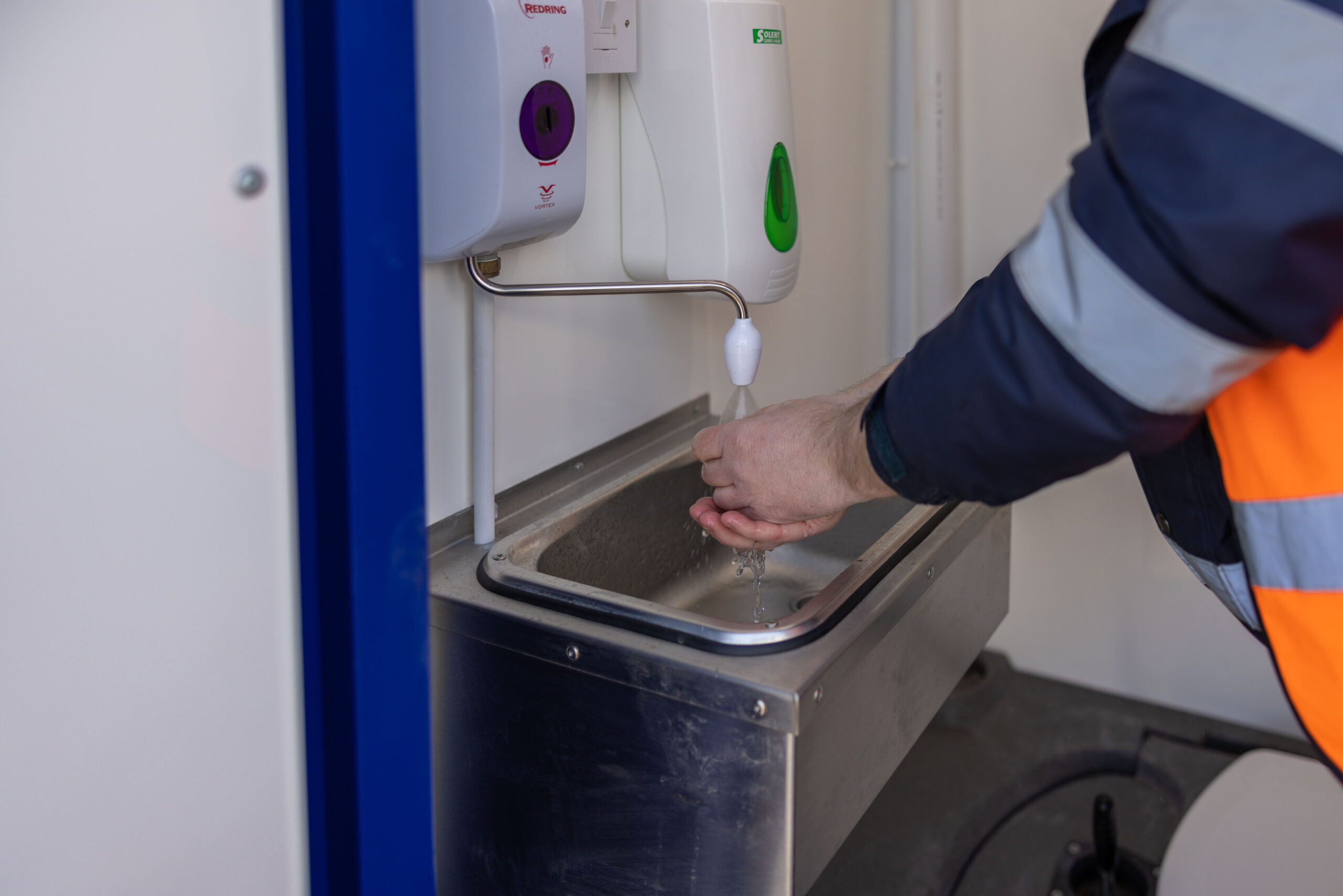
- Hand washing facilities,
- Office space,
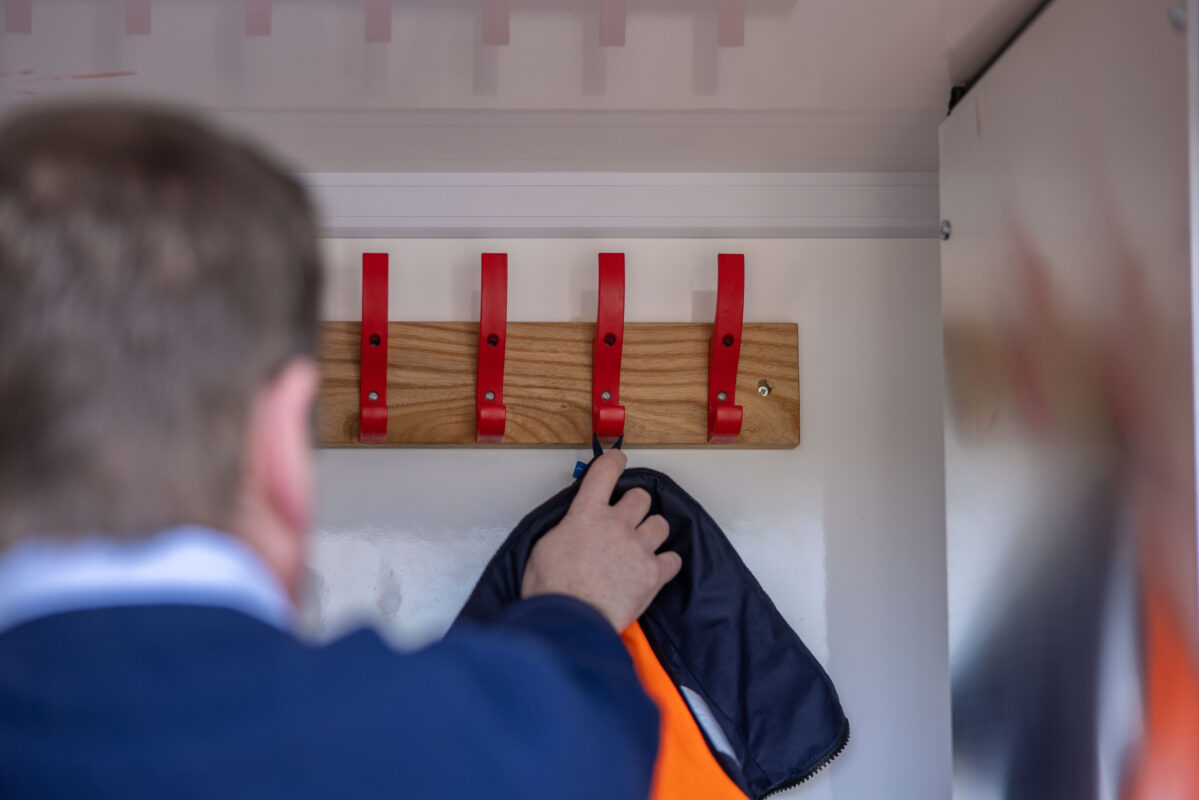
- Drying and changing areas,
- Heating and lighting.
Their flexibility makes them particularly valuable for sectors such as utilities, telecoms, roads and infrastructure, where teams may need to move locations regularly or work on sites with limited space and access.
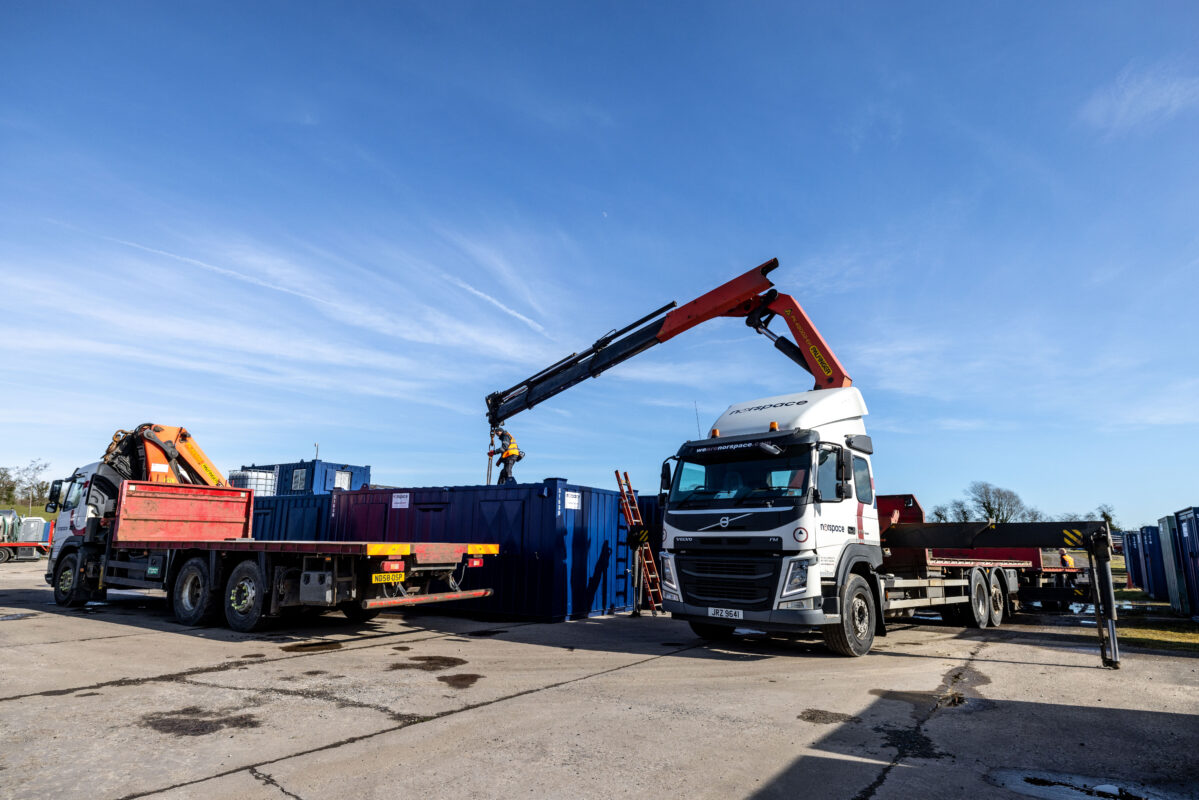
Unlike larger static setups, mobile welfare cabins are designed to be quickly repositioned or transported as project requirements change. This makes them especially useful for site start-ups, overnight works and short-duration projects where speed, flexibility and minimal disruption are critical.
They are often described as the “bookends” of a project – ideal for supporting both the early stages of site setup and the final phases of project completion.
Designed For Challenging And Remote Locations
One of the key advantages of mobile welfare cabins is their ability to operate effectively in difficult or remote environments.
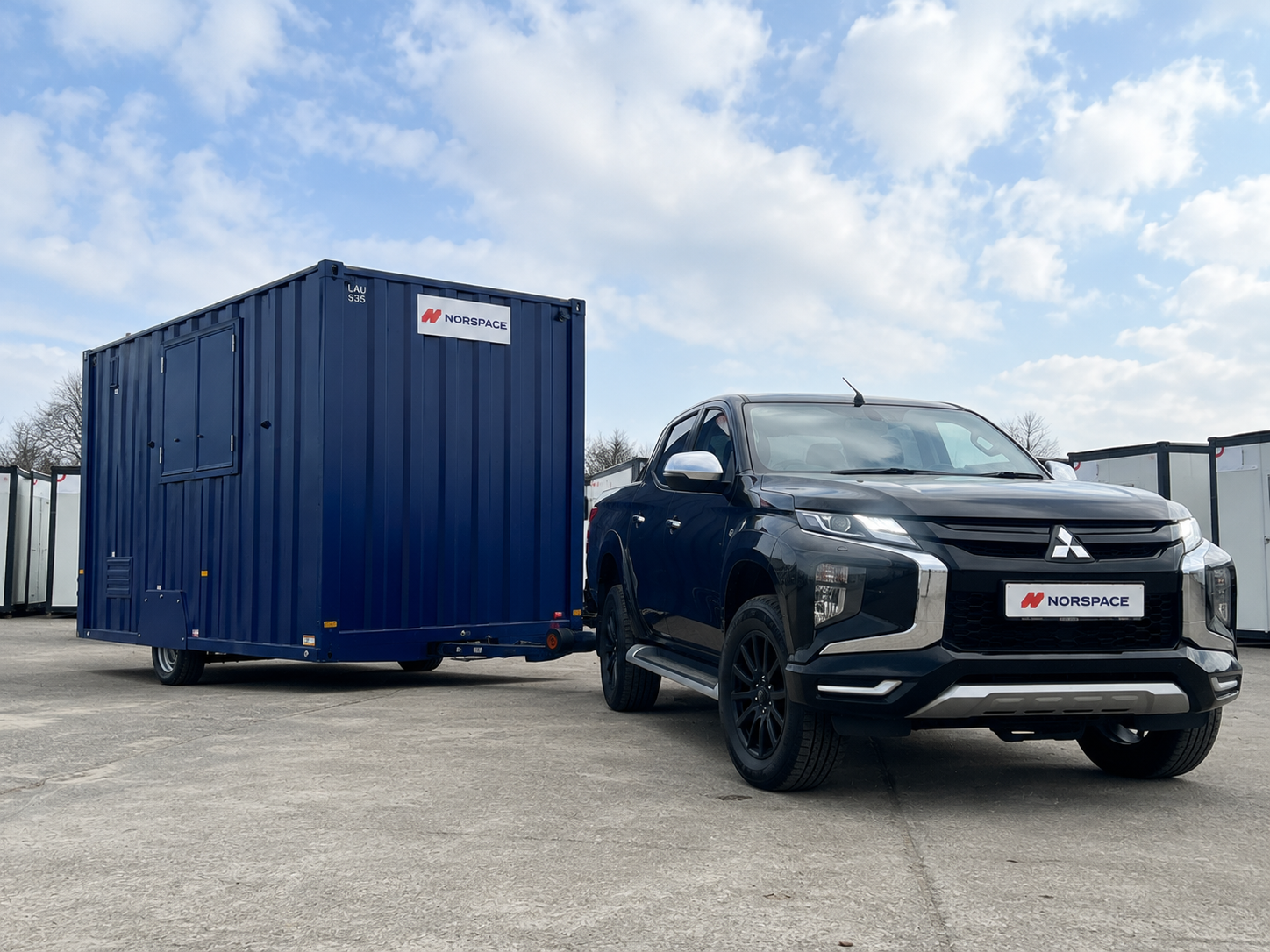
Their compact footprint allows them to access sites where larger units may not be practical, helping organisations maintain welfare standards without compromising site logistics or surrounding environments.
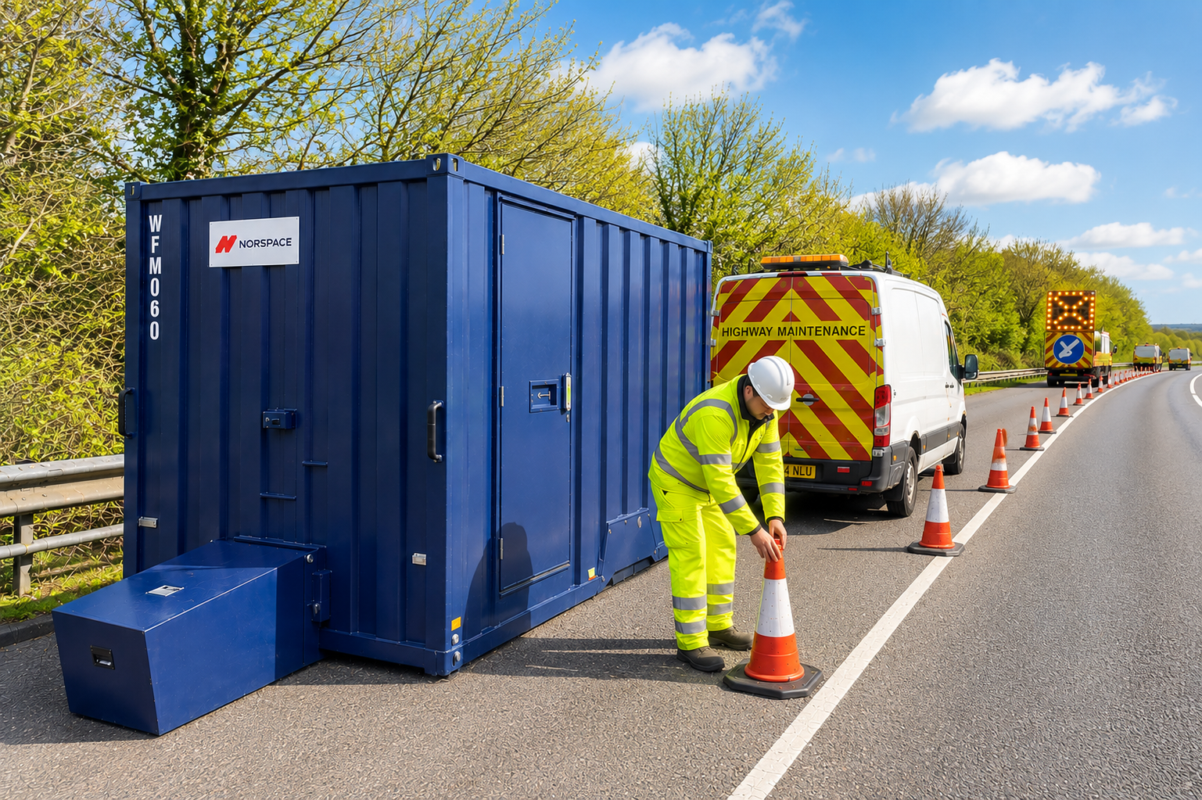
Mobile welfare cabins are increasingly used on sites where minimising ground disruption and heavy delivery traffic is essential, such as archaeological excavation sites. They are also highly effective for remote utility works and telecoms infrastructure projects, where access can be limited and terrain challenging.
In many cases, if a 4×4 vehicle can access the site, a compact mobile welfare cabin can too. This adaptability gives contractors and project managers greater flexibility while ensuring teams still have access to appropriate welfare facilities wherever work is taking place.

Innovation is raising the standards across the sector
As demand for welfare facilities continues to grow, manufacturers are investing heavily in innovation to improve efficiency, sustainability and user experience.
Modern welfare cabins are far more technologically advanced than many people realise. Significant engineering goes into ensuring these units operate efficiently while remaining compact, durable and compliant.
One of the biggest developments in recent years has been improving fuel efficiency and reducing environmental impact. Newer mobile welfare units are designed to operate using lower-powered 6kVA generators, which consume less fuel and produce lower emissions compared to many traditional higher-powered alternatives.
Achieving this level of efficiency requires sophisticated internal electrical systems designed to maximise performance while drawing less power.
Design innovation has also improved the day-to-day experience for users. In newer cabin models, the generator position has been moved from the rear of the unit to the front. While this may seem like a small adjustment, it delivers several practical benefits.
Relocating the generator improves sound insulation inside the cabin, creating a quieter and more comfortable environment for workers using the office or canteen space. It also frees up additional internal room, allowing for larger and more practical drying and changing areas.
These developments reflect a wider industry focus on improving not only compliance, but also the overall user experience for site teams.
Small Details Matter In Welfare Design
When it comes to welfare provision, the details can make a significant difference.
While many welfare cabins may appear similar externally, the quality, usability and compliance standards inside the unit are often what separate a good welfare experience from a poor one.
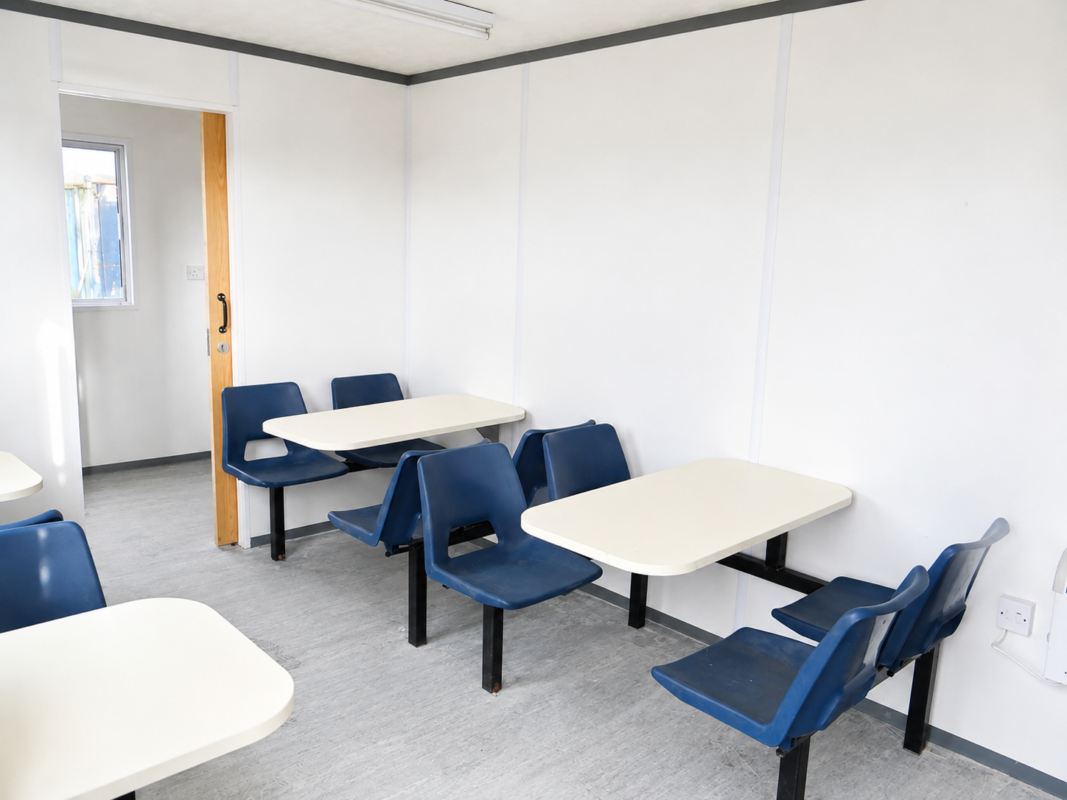
For example, all seating within compliant canteen areas must include padded backrests to meet HSE welfare requirements, this is something not always offered across the market.
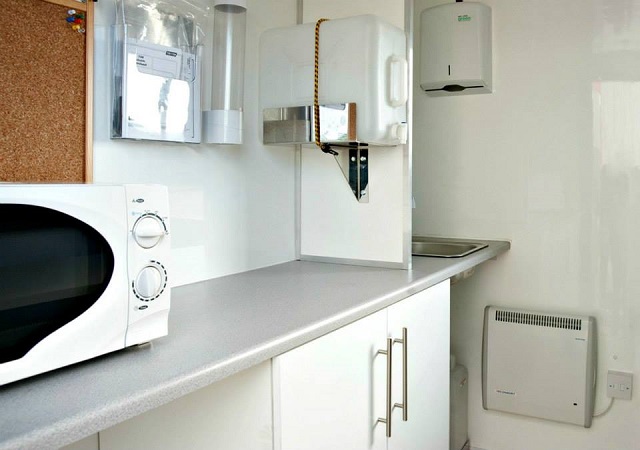
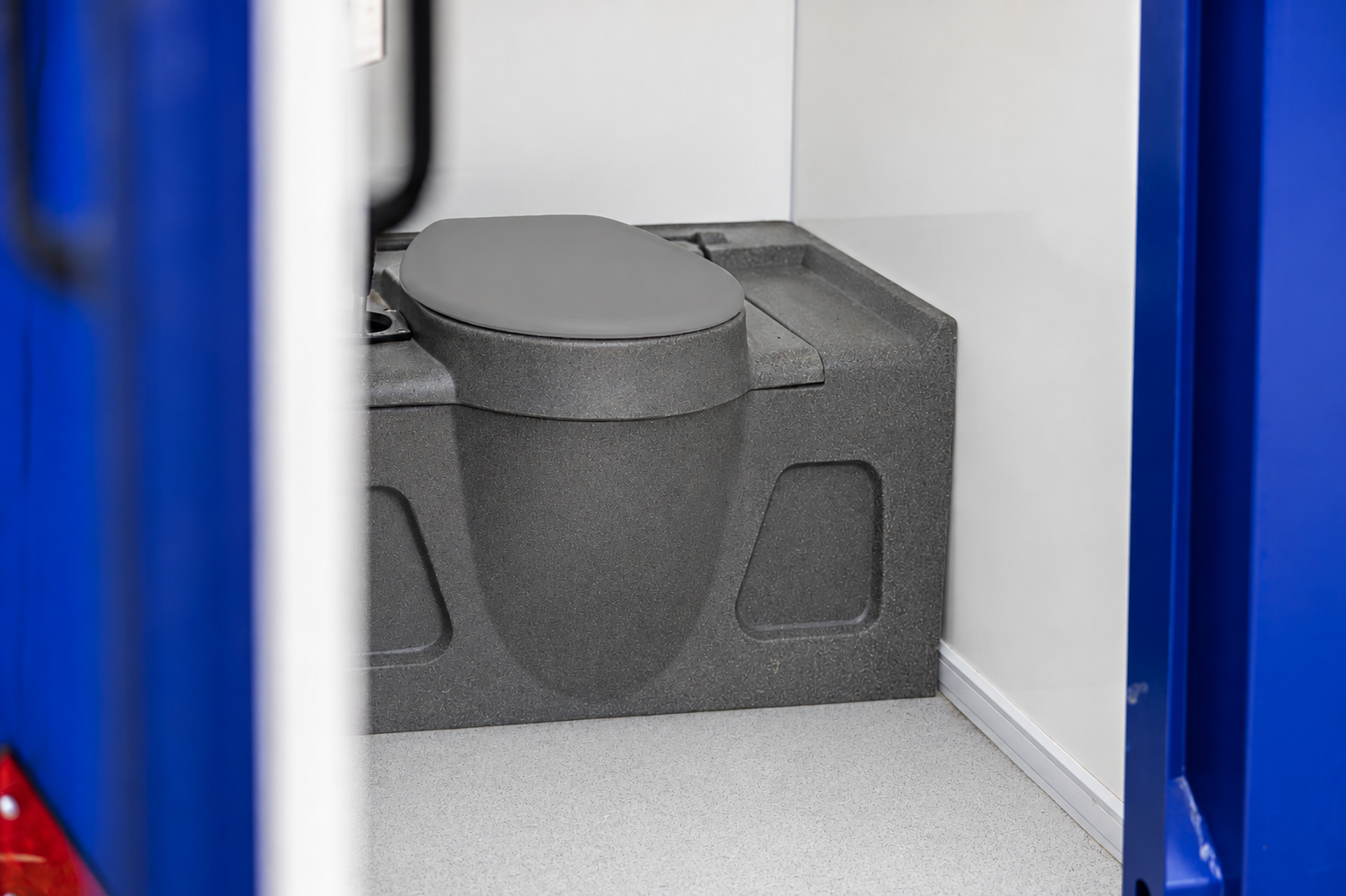
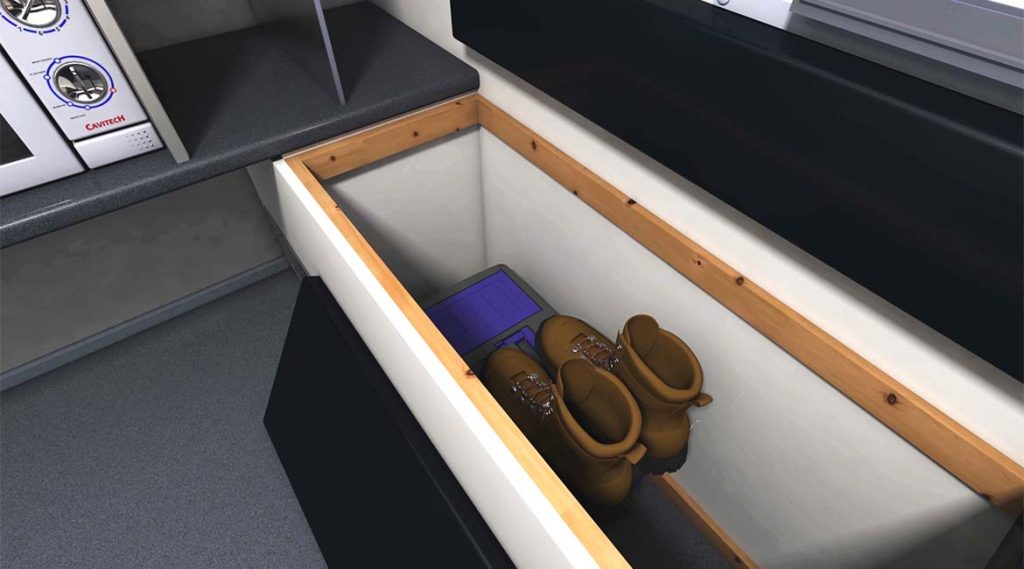
Comfort, insulation, ventilation, heating performance and ease of use all contribute to how effectively a welfare unit supports workers throughout the day.
These details matter because welfare facilities are used constantly on active sites. A well-designed welfare unit can improve comfort, reduce fatigue and help create a more positive working environment for site teams.
Static Welfare Cabins Continue to Play A Vital Role
While mobile welfare units continue to grow in popularity, static welfare cabins remain an essential solution for larger and longer-term projects.
Static units provide dependable welfare infrastructure for sites requiring more permanent facilities and greater capacity.
They are commonly used on major construction developments, civil engineering projects and industrial sites where teams may be based for extended periods.
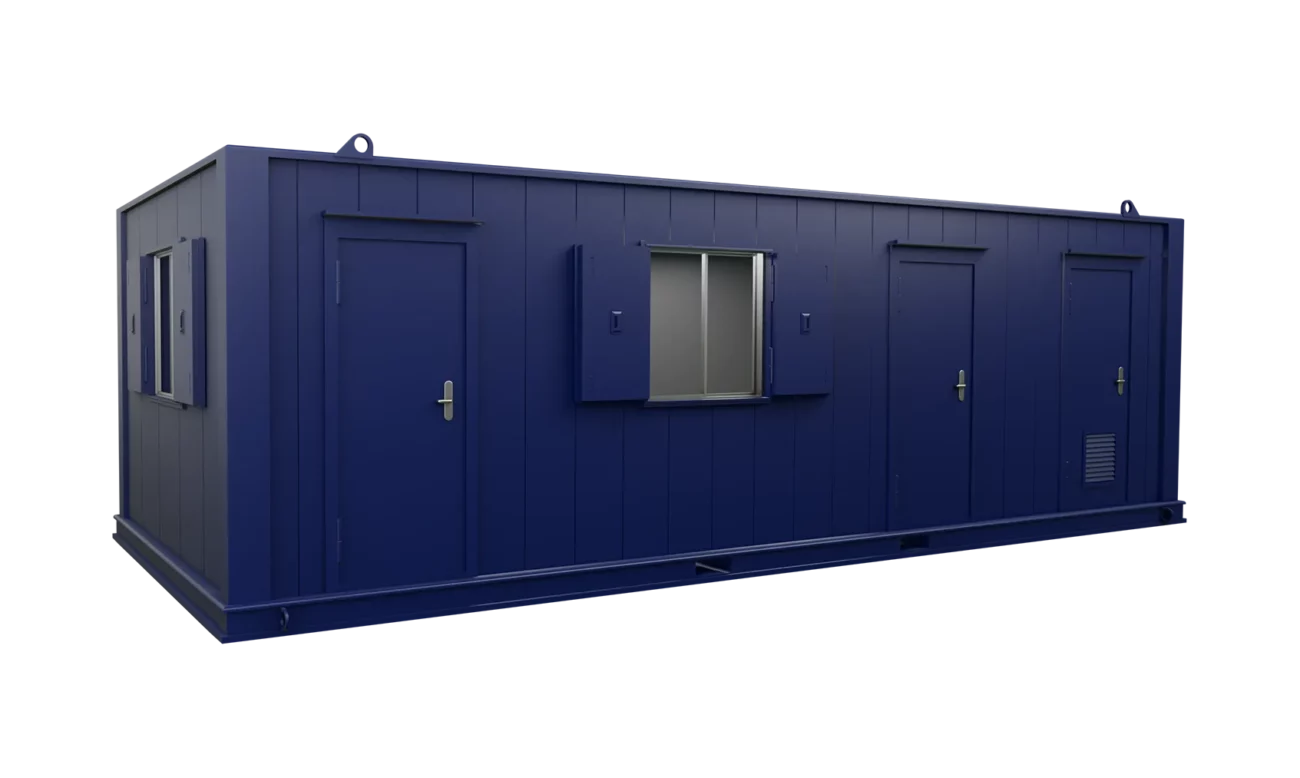
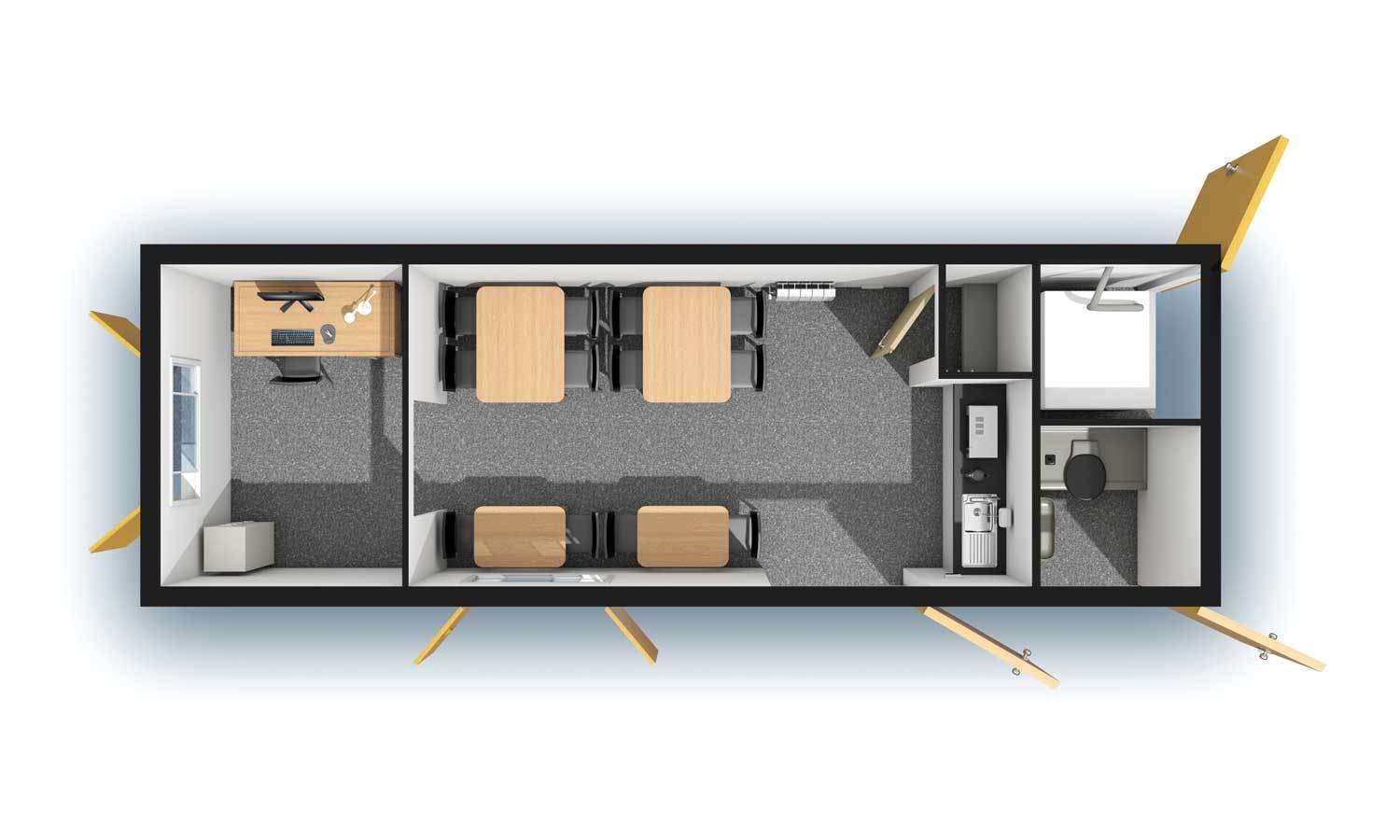
Facilities can include:
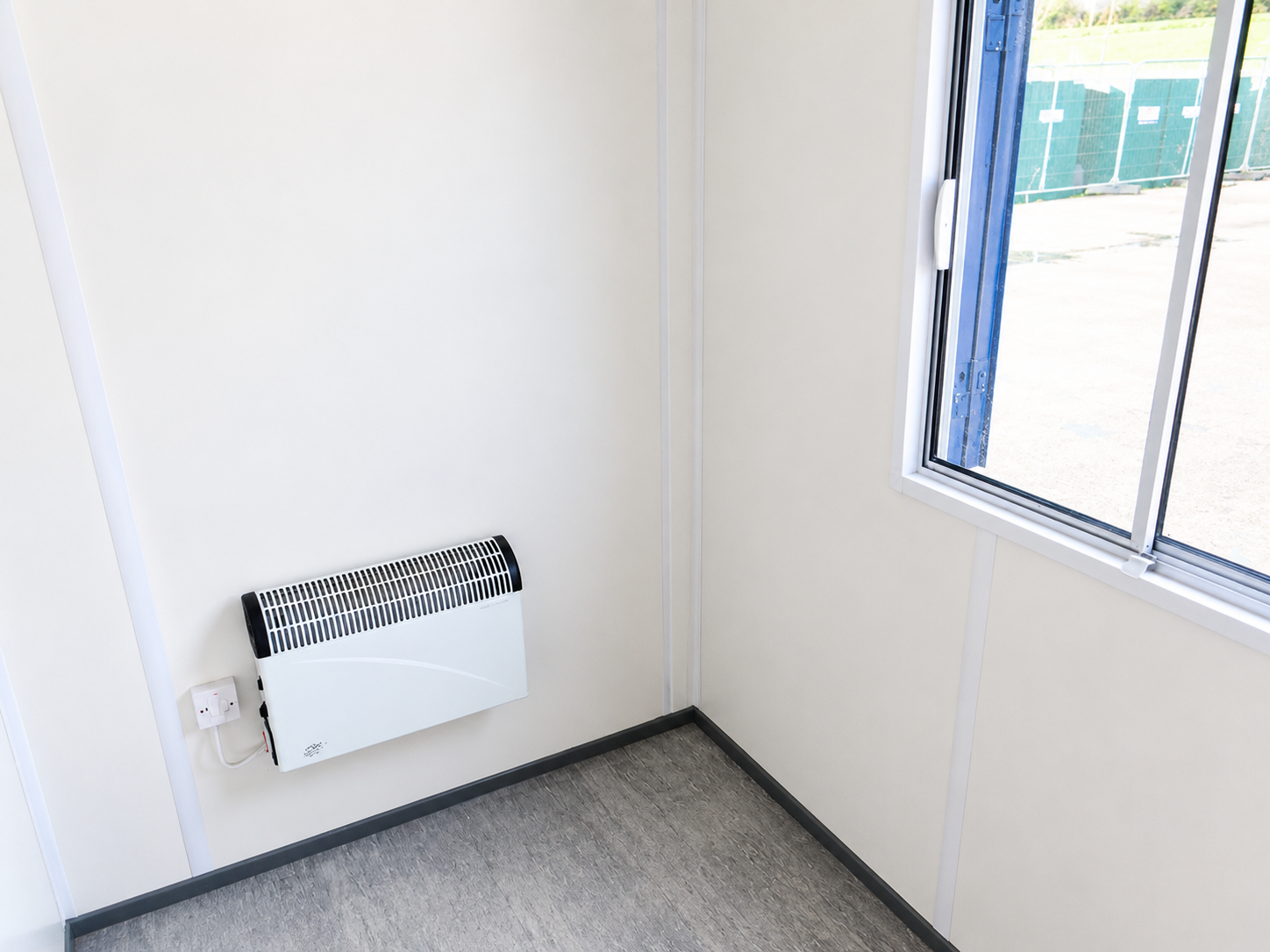
- Heating, lighting and hot water.
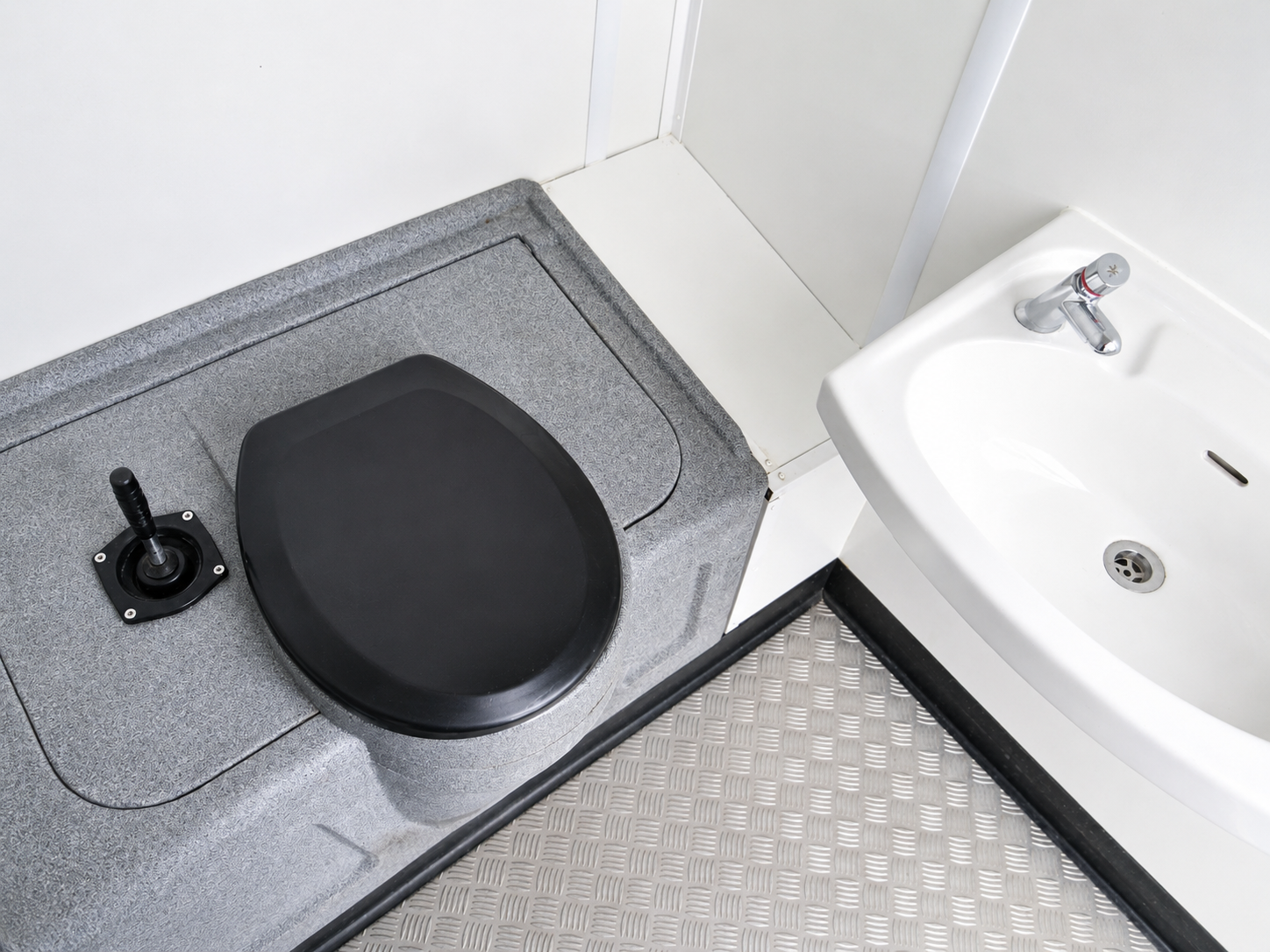
- Toilets and wash areas,
- Office space,
- Canteen facilities,
- Drying rooms,
- Seating and storage.
Built from robust anti-vandal steel and fitted with secure locking systems, including turn-key deadlocks and high-security padlocks, our storage cabins are designed to protect valuable assets on busy event site.
For remote or high-risk locations, anti-vandal construction and secure access systems also provide added reassurance and durability.
By combining practicality, comfort and security, static welfare cabins continue to form an important part of modern site operations across Ireland and the UK..
Welfare Is Now PArt of Site Culture
The conversation around welfare has evolved significantly in recent years.
Today, welfare is increasingly viewed as part of a company’s wider culture, reputation and commitment to its workforce. Businesses that invest in quality welfare facilities are demonstrating that worker wellbeing, comfort and safety are a priority.
This matters not only for compliance, but also for recruitment, retention and workforce morale in sectors facing ongoing skills shortages and increasing expectations around working conditions.
For many organisations, welfare facilities are no longer simply about meeting minimum standards. They are about creating better environments for people to work in every day.
Experience, Service And Reliability Still Matter
While welfare cabins themselves continue to evolve, service and reliability remain just as important as the product itself.
Businesses need confidence that welfare facilities will arrive on time, perform reliably and be supported properly throughout a project. Responsive customer service, industry experience and operational support all play a critical role in ensuring welfare provision runs smoothly.
Across Ireland and the UK, companies are increasingly looking for welfare partners who understand the realities of site work and can provide practical solutions tailored to different project requirements.
Because ultimately, good welfare is not just about the cabin itself – it is about keeping projects moving, supporting workers properly and delivering dependable service from start to finish.
As the industry continues to place greater emphasis on wellbeing, compliance and efficiency, welfare facilities will remain a vital part of how successful projects are delivered.

work with us
Contact your nearest Norspace depot today.